Street photography and documentary photography are often spoken about as though they’re interchangeable. They’re not. While both involve photographing the world as it exists, without necessarily interfering with what’s happening, their intentions can be fundamentally different.
For me, the distinction is simple: street photography is subjective and seeks to provoke questions, while documentary photography is objective in its approach and seeks to provide answers.
Of course, there’s plenty of overlap, but it’s the photographer’s intention that ultimately separates the two.
Street Photography: Asking Questions

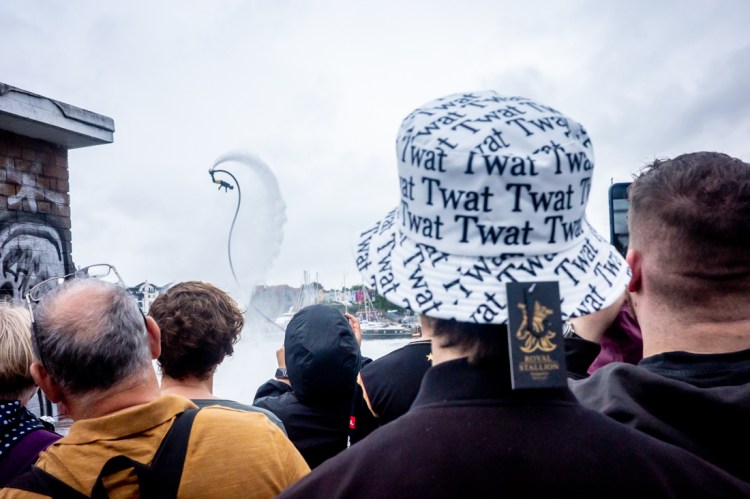
Street photography isn’t necessarily concerned with explaining anything. It’s about observing the world, recognising moments and presenting them through the photographer’s own subjective interpretation.
A good street photograph doesn’t need to tell you who, what, where, when or why. In fact, the less it explains, the more intriguing it can become. The street photography will often skew the scene on purpose, maybe removing context and explanations,
Why is that person doing that? What’s happening outside the frame? Is this funny, tragic, absurd or simply ordinary?
The ambiguity is often the entire point.
Street photography thrives on uncertainty, juxtaposition, humour, irony and the unexpected. It invites viewers to bring their own experiences and interpretations to an image.
The photographer poses the question. The viewer supplies the answer.
And different viewers might arrive at entirely different answers. And that is all about subjectivity too. That’s part of its beauty.
Documentary Photography: Providing Answers
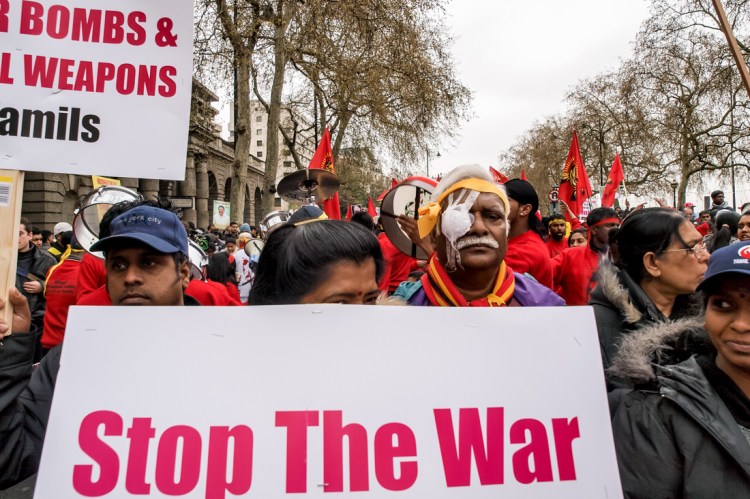
Documentary photography, on the other hand, generally sets out to communicate something specific about a subject, situation, community or event.
Its purpose is to inform, explain, reveal or record.
A documentary photographer might spend months photographing a particular community, exploring its social conditions, traditions or challenges. The resulting images collectively build an understanding of that subject. I touched on this previously in my post about standalone images vs a series.
Context matters. Accuracy matters. The photographs are intended to communicate information rather than simply invite speculation.
That’s not to suggest documentary photography is entirely free from subjectivity. Every photographer makes choices about what to include, exclude and emphasise. But the underlying intention is generally to illuminate a reality rather than leave it deliberately unresolved.
The Frustration of Getting It Wrong
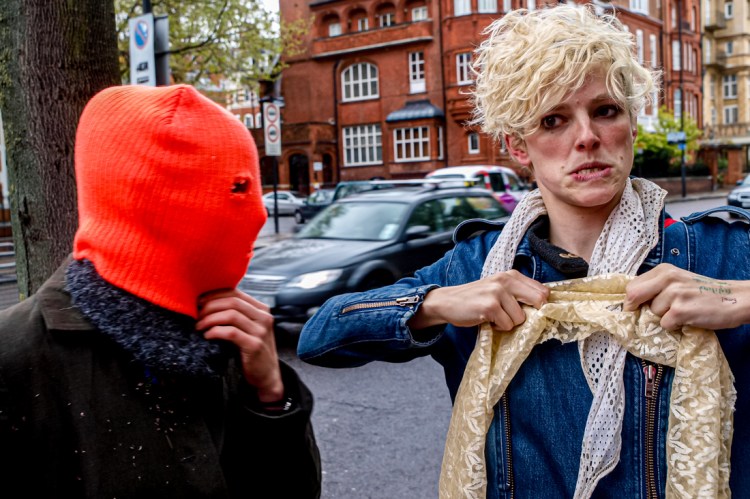
What I find particularly surprising, and increasingly frustrating, is just how many photographers, including those who describe themselves as street photographers, seemingly fail to appreciate this fundamental distinction.
Far too often, I see perfectly straightforward documentary photographs being presented as street photography. Images that simply record people going about their daily lives, without any apparent ambiguity, interpretation or question being posed. I touch a little on this in a previous post about not wanting obvious street photography.
There’s absolutely nothing wrong with such photographs. Documentary photography has enormous value. But why insist on calling something street photography when its intention and execution are clearly documentary?
Just because a photograph was taken in a public place, or features an unsuspecting member of the public, doesn’t automatically make it street photography. I cover this in my previous post explaining what street photography is to me.
And yet that seems to be the increasingly accepted definition, particularly across social media, where almost any candid photograph of a stranger gets labelled as street.
Perhaps it’s because street photography has become a fashionable label. Perhaps it’s simply a lack of understanding. Either way, I think it does both genres a disservice.
Genres aren’t rigid boxes, and there will always be photographs that straddle the boundary. But surely understanding what distinguishes one photographic approach from another should be fairly fundamental, particularly if you’re going to identify yourself as a practitioner of it?
Not every candid photograph is a street photograph. And not every photograph of everyday life needs to be one.
Two Different Intentions
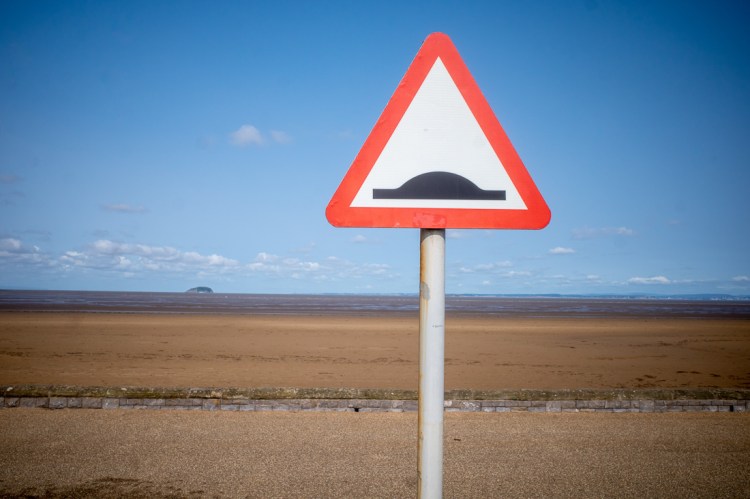
Ultimately, neither approach is superior. They’re simply different ways of engaging with the world.
Documentary photography wants you to understand what you’re looking at.
Street photography wants you to wonder what you’re looking at.
One seeks to explain the world. The other invites us to question it.
And personally, I’ve always found the questions far more interesting than the answers – but that’s a personal view.
And yes, as I say at the outset, they can and do overlap at times but that initial intention is the key here.
With more and more poor street photography out there these days, it’s really important to understand there is a difference.
Discover more from That Darren Lehane
Subscribe to get the latest posts sent to your email.

